The University of Modena and Reggio Emilia (UNIMORE), founded in 1175, is among the oldest universities in the world and has always been ranked among the top Italian universities for quality of teaching and research. UNIMORE is composed of 14 Departments, 16 interdisciplinary research centres, 8 PhD schools, and has almost 1,500 personal and administrative staff as well as more than 25,000 students. It has more than 253 international exchange agreements and invests 1 million € for year in mobility programmes. The UNIMORE group involved in the Project will be CHIMOMO Department. UNIMORE will exploit its wide expertise in ERASMUS+ projects, also in the sport domain, in order to contribute to the achievement of the project’s goals. Unimore offers extensive academic knowledge and practical experience in addressing social injustice and promoting social inclusion, with a focus on gender equality. This expertise extends beyond theory, with years of practical experience in the field of education and active involvement in projects dedicated to the promotion of gender equality and women’s rights.
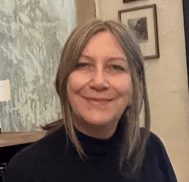
Paola Damiani: Associate professor of Special Pedagogy and Didactics for Inclusion at the Department of Education and Human Sciences, University of Modena and Reggio Emilia (Unimore). For many years she was a regional responsible at the Regional School Office of the Ministry of Education for school students with Specific Learning Disability (SpLD) and with Disability. Currently, she is a Department Delegate for university students with disabilities and SpLD and she is the Director of
Specialisation Courses for support activities for students with disabilities. She is involved in research and training on the topics of inclusive pedagogy and didactics and Faculty Development; her interests are directed towards improving inclusive processes, learning and participation, through an inter- and trans-disciplinary approach that pays attention to the personal dimensions of education professionals as essential contextual factors. In recent years, she has devoted herself
to the study of the relationship between neuroscience, pedagogy and didactics, with particular reference to Embodied Cognition. She is the author of several scientific publications and institutional tools and documents for the support of inclusive didactic processes at school and academic level.
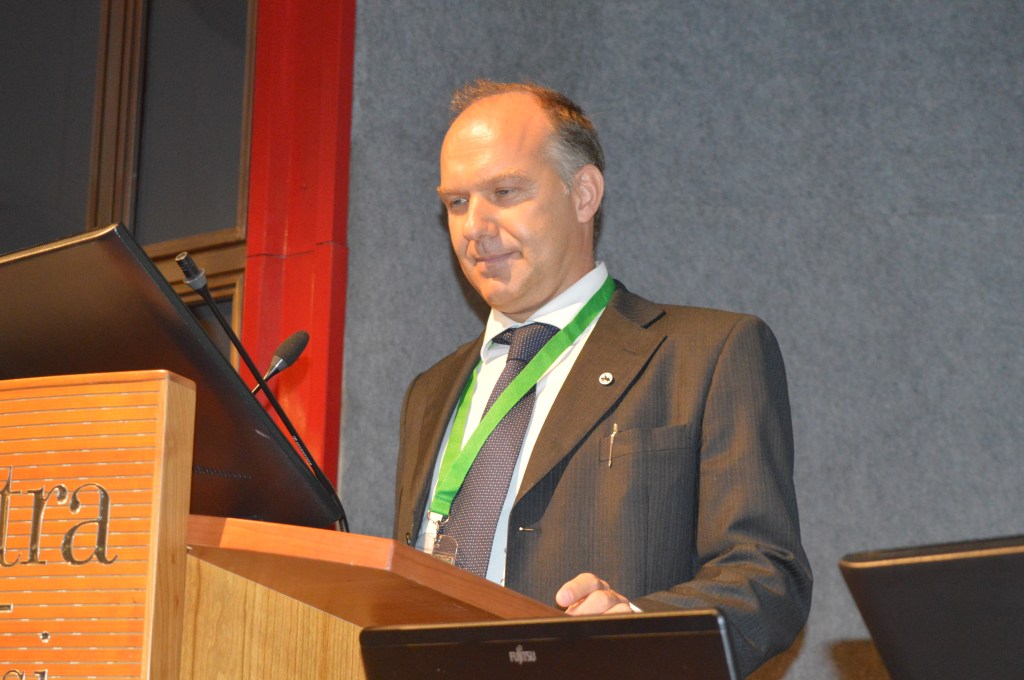
Giacomo Guaraldi: He serves as the Rector’s Delegate for Disability and Students with Specific Learning Disorders (SpLD) at the University of Modena and Reggio Emilia (Italy). He is a specialized teacher in disability support and oversees the Welcome Service for students with disabilities and with SpLD. He is also involved in numerous training and awareness-raising projects aimed at supporting students with disabilities and SpLD in the university. He has been a speaker at several national and international conferences and has participated in two European projects on disability and SpLD’s culture, acting as project manager for the second.
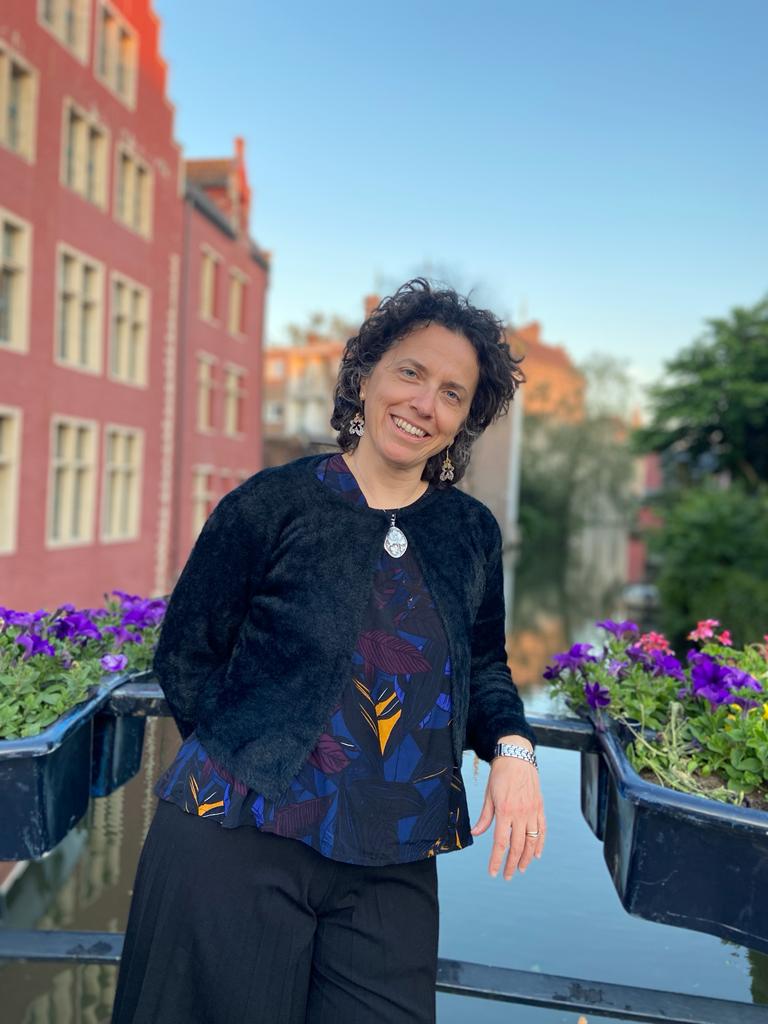
Laura Landi is currently a research fellow at Department of Education and Humanities, University of Modena and Reggio Emilia. She has collaborated in different European funded research projects. She has received her PhD in Reggio Childhood studies, a joint program between University of Modena and Reggio Emilia and Reggio Children Foundation, with a thesis on “Supporting innovation in assessment to promote changes in teaching methodologies”. Researcher, primary school teacher, former supervisor for pre-service teacher internship, she has been awarded a Fulbright Scholarship in order to complete an MA in International Relations from The Johns Hopkins University (SAIS). She is part of research groups on teacher professional development (CERIID and CRESPI) and member of professional associations (EARLI, Siped). Her research interests include teacher professional development, informal and non-formal education, teaching methodologies for inclusion, dialogic pedagogy and argumentation.
The Vienna University of Economics and Business (WU), specifically the Regional Centre of Expertise on Education for Sustainable Development (RCE Vienna), has a broad set of experiences in educational formats. Currently, there are more than 190 RCEs worldwide certified by UNESCO, all of which serve as “science-society interfaces” with the mission of integrating the themes of sustainable development into formal, non-formal, and informal education systems through innovative approaches. WU has the strength of being an established HEI and the RCE specifically has implemented
innovative teaching and learning formats, mostly with students. RCE Vienna has been active in the field of education for 10 years. The RCE works on researching and implementing new transformative learning spaces and processes. One focus
is on education and sustainable business and SDGs-driven entrepreneurship. Over the years, the RCE has coordinated or participated as a partner in numerous EU and national projects on these topics.
PD Dr. Christian Rammel: he is the head of the Regional Center of Expertise on Education for Sustainable Development Vienna (RCE Vienna) at the Vienna University of Economics and Business. As scientist, he has worked since more than 15 years towards social-ecological transformations with a special focus on sustainability-driven start-ups, “green economy” and transformative learning. Between 2017 and 2019, he was the director of the start-up academy “Playpark Sachsenplatz” in Vienna, which offers a new approach to entrepreneurial education aiming at the SDGs. Dr Rammel is also a business consultant and supports companies in their re-organisation and re-orientation towards a “green economy”.
Dr. nat. techn. Marie-Sophie Attems: she is the deputy head of RCE Vienna at WU Vienna and holds a Doctor of Natural Resources and Life Sciences. As a scientist, she has conducted research and published and peer-reviewed papers. She has experience in teaching at higher education institutes and a solid background in didactics and pedagogy. She has worked in several educational programs as a trainer and project manager, focusing on sustainable entrepreneurship, green skills, and environmental education. She is currently involved in EU and nationally funded educational projects. She has an academic background in Geography and Natural Resources Management.
Adam Greene, MSc: he manages EU projects at the RCE Vienna since December 2023. He currently manages the EU projects ‘Urban Shift’ (Erasmus+) and ‘Green Leap’ (Erasmus+). His focus is on project management and sustainable innovation in educational environments. His academic background is in Economic Policy, with a particular focus on nature-based solutions in European urban development. He has also represented the EU and Ireland at the Organisation for Security and Co-operation in Vienna, primarily focusing on economic and environmental security. In addition, he has experience of public funding and project partnership cooperation in a Viennese mobility scale up.
The European Dyslexia Association is a European non-governmental umbrella organisation for national and regional associations of people with dyslexia, dyscalculia and other specific learning differences, children’s parents, professionals and researchers. It is the platform and the voice of the people with dyslexia and dyscalculia in Europe. It was founded and legally established under Belgium law in 1987 in Brussels as an international non-profit association by representatives of ten national dyslexia associations. The EDA currently has regional and national member organisations in 24 European countries, with a total of 40 member organisations.
Rosie Bissett (EDA President): Rosie has been a member of the EDA Board since 2016, and was elected EDA President in 2019. She is based in Ireland where she works as the CEO of Dyslexia Ireland, one of EDA’s founder members. With a background in health, social science and non-profit management, Rosie has over 20 years of experience working with and for people with dyslexia, dyscalculia and other neurodiverse profiles.
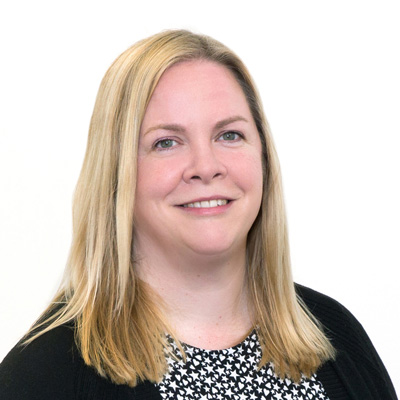
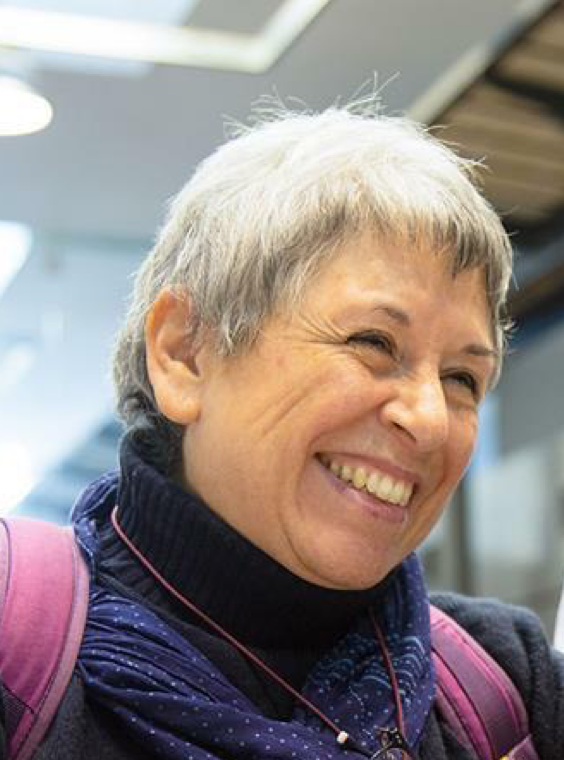
Dr Luisa Lopez (EDA Board Member): Luisa Lopez is a medical doctor with a PhD, specializing in Clinical Neurophysiology and Neuropsychopathology of Developmental Learning Processes. She currently serves as the Chair of the Child Neurology outpatient ward at “Villa Immacolata” in Viterbo. She is the Scientific Coordinator for Neuroscience and Music at the Mariani Foundation in Milano. Additionally, she is a board member of the European Dyslexia Association, representing the Italian Dyslexia Association.

Linnaeus University – The department of special education at LNU is a long-establised leader in both research and practical training for students with specific learning difficulties and has an active research group and well-attended specialist training courses. Within the University, teachers receive support from the department of Högskolapedagogik, on the development of courses, assignments and examinations that are appropriate for those with SpLD.
Pernilla Söderberg, Lecturer and PhD student at Linneaus University. Pernilla is a trained teacher with over 30 years professional experience. Since 2005 she has been teaching at the Linneaus University in the fields of dyslexia, special pedagogy, implementation, leadership and school development. She also has broad and deep national and international experience in the field through her roles as board director in the Swedish Dyslexia Association and the European Dyslexia Association.
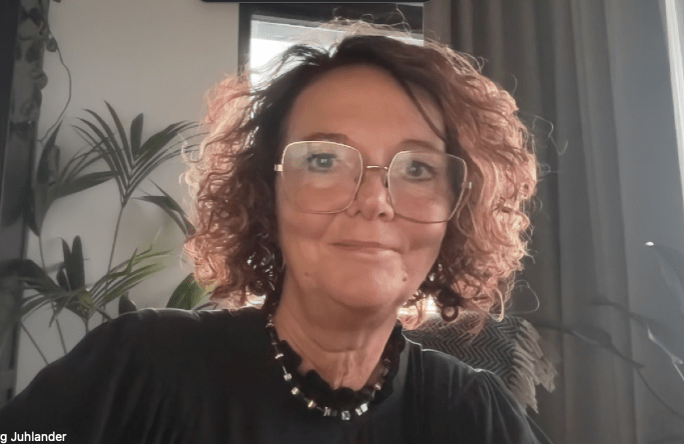
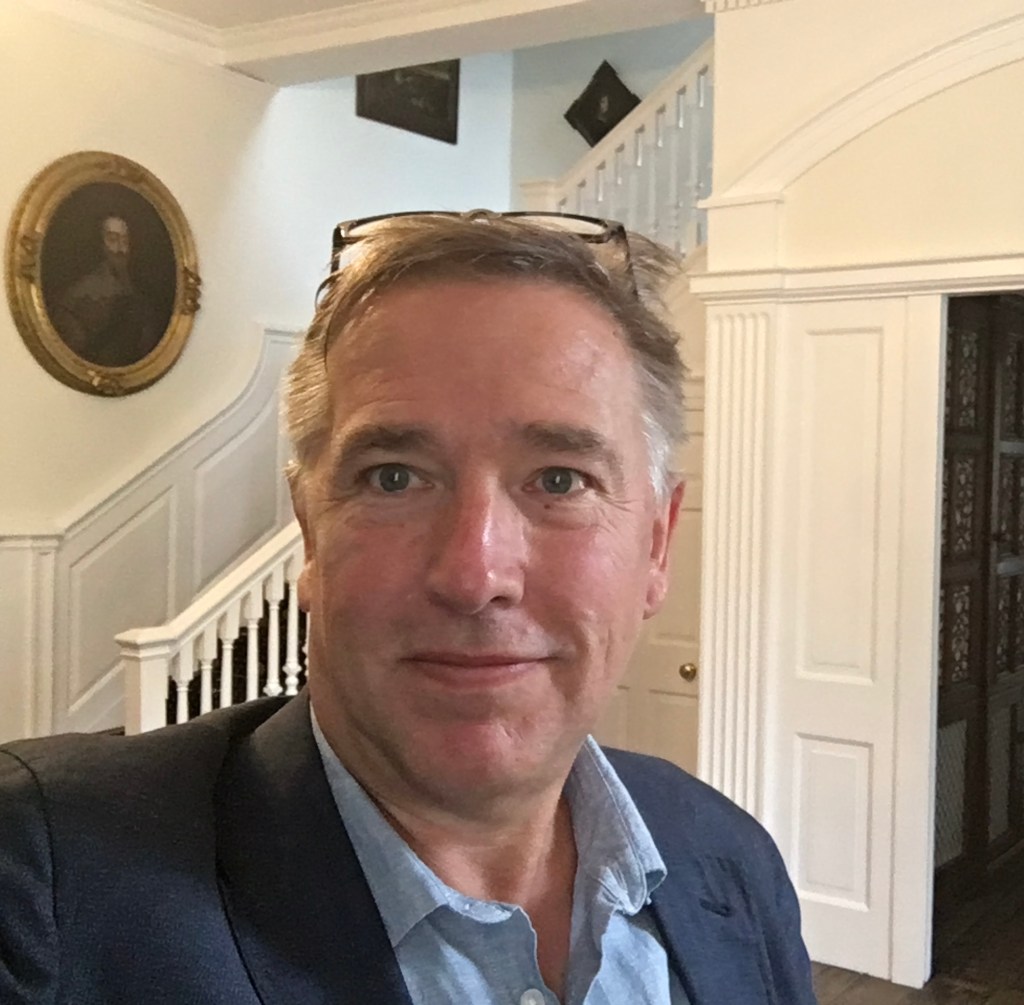
John Rack , Associated Professor at Linneaus University. He is a Chartered Psychologist and internationally recognised expert in the field of specific learning difficulties with extensive experience in research and practice and in the dissemination and implementation of good practice.

The University of Applied Sciences and Arts of Southern Switzerland (SUPSI) is one of the nine professional universities in Switzerland. Some figures: 6’010 Undergraduate and Graduate Studies students; 3’678 Participants in certificated Continuing Education courses; 48 mio CHF research budget; 1’224 Teachers/Researchers/Employees. Characterised by its innovative and interdisciplinary nature, the Department of economics, health and social sciences (DEASS) is active in education and research with transversal expertise in the fields of economics, health and social care. It responds to complex contemporary needs thanks to a strong network of contacts both nationally and internationally. LUCI – Labour, Urbanscapes and Citizenship is a multi-disciplinary research area run by Filippo Bignami and Niccolò Cuppini. It investigates the increasingly predominant urban character of the contemporary globalized world. LUCI explores the evolving relationship between urban environments, citizenship mutations, and the changing landscapes of labour.
Filippo Bignami: He is a senior researcher and lecturer at the University of Applied Sciences of Southern Switzerland – LUCI (Labour, Urbanscape and CItizenship) research area. He holds a PhD in political and social sciences. Among scientific appointments, he has been external scientific consultant for the United Nations International Labour Organization (UN-ILO), project-visiting professor at the Asia-Europe Institute, State University of Malaya, Kuala Lumpur, Malaysia, and visiting professor at Catholic university of Paris. His main scientific interest and expertise is in citizenship social and political theories, including applied studies on citizenship policies, education, urban transformation and digitisation.
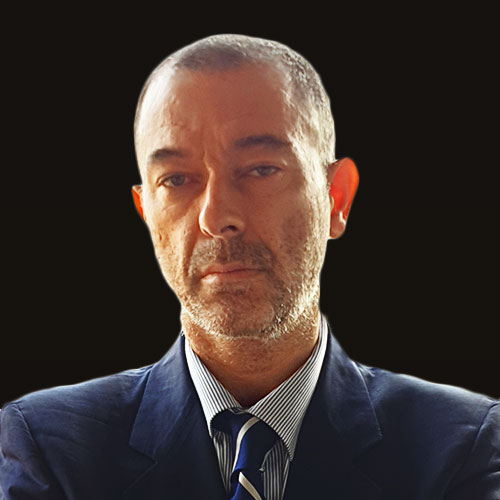

The University Pablo de Olavide (UPO, Seville) is a public University committed to offer high quality education. It is located in a single campus equipped with the latest technologies. In its 140 hectares it combines teaching, research, and social and sport activities, which makes it a different alternative. All courses in the Universidad Pablo de Olavide are adapted to the European Higher Education Area. Education in the new official courses is based on providing the knowledge, the abilities and the skills necessary so students can enter successfully the European labour market. To this end, the University provides the latest technologies and internships in enterprises. In addition, it favours the acquisition of other languages. A strong relationship with Latin America is a key pillar of UPO’s foundation, consequently our University is specialized in Latin American studies and has special agreements with the Indian Archives and the School of Hispano-American Studies through which students are able to gain access to important archives for their research. Likewise, a successful research and teaching cooperation has been developed together with Latin American Universities. Furthermore, our strategic location, as a bridge between Europe and Africa, has favoured the development of tight links not only with Moroccan Institutions but also with other African countries such as Tunisia, Egypt or Ghana. On the other hand, UPO is fully committed to the implementation of a paperless university at every level, thus most of the administrative and academic procedure from admission to graduation is computer based, as well as almost of the university management procedures. In terms of EU projects, the University is carrying out around 50 different actions within H2020, ERASMUS+ or other R&I programs.
Rosa María Díaz Jiménez: PhD in Social Sciences, Lecturer in the Department of Social Work and Social Services at the Pablo de Olavide University in Seville. Specialist in functional diversity, social policies and gender issues. Director of PAIDI group (SEJ-674) Social Work Inclusion, Diversity and Sustainability (INDIS). Member of the Board of the UPO-Macrosad Chair Green Social Work. Currently involved in the Inclusive University as project manager.
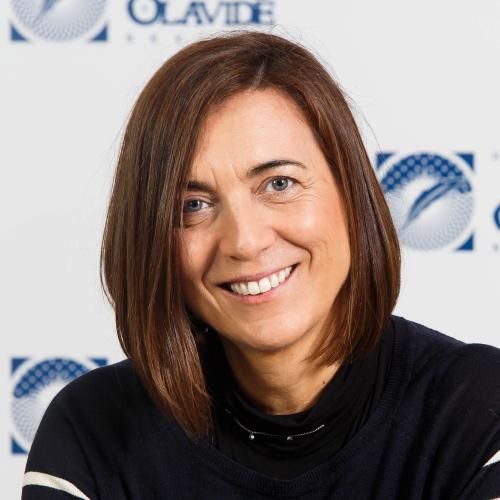
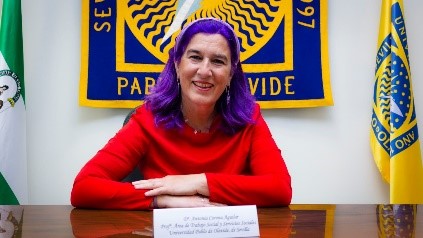
Antonia Corona Aguilar: PhD in Social Intervention and Social Inequalities. Diploma in Social Work (1988) and Degree in Anthropology (1997) from the University of Seville. Lecturer and Researcher in the Department of Social Work and Social Services at the Pablo de Olavide University. Her lines of research revolve around feminisms, functional diversity, unwanted loneliness and participatory methodologies.
Rosa María Varela Garay: International PhD in Social Sciences, Diploma in Social Work and Degree in Sociology, Master in Gender and Equality, Expert in Family Mediation and Expert in Teaching Innovation. Teacher and Researcher in the Department of Social Work at the Pablo de Olavide University. She participates in research and intervention programmes in contexts related to school and family violence, unwanted loneliness in people with dependency and issues related to resilience and new therapeutic approaches in social work.
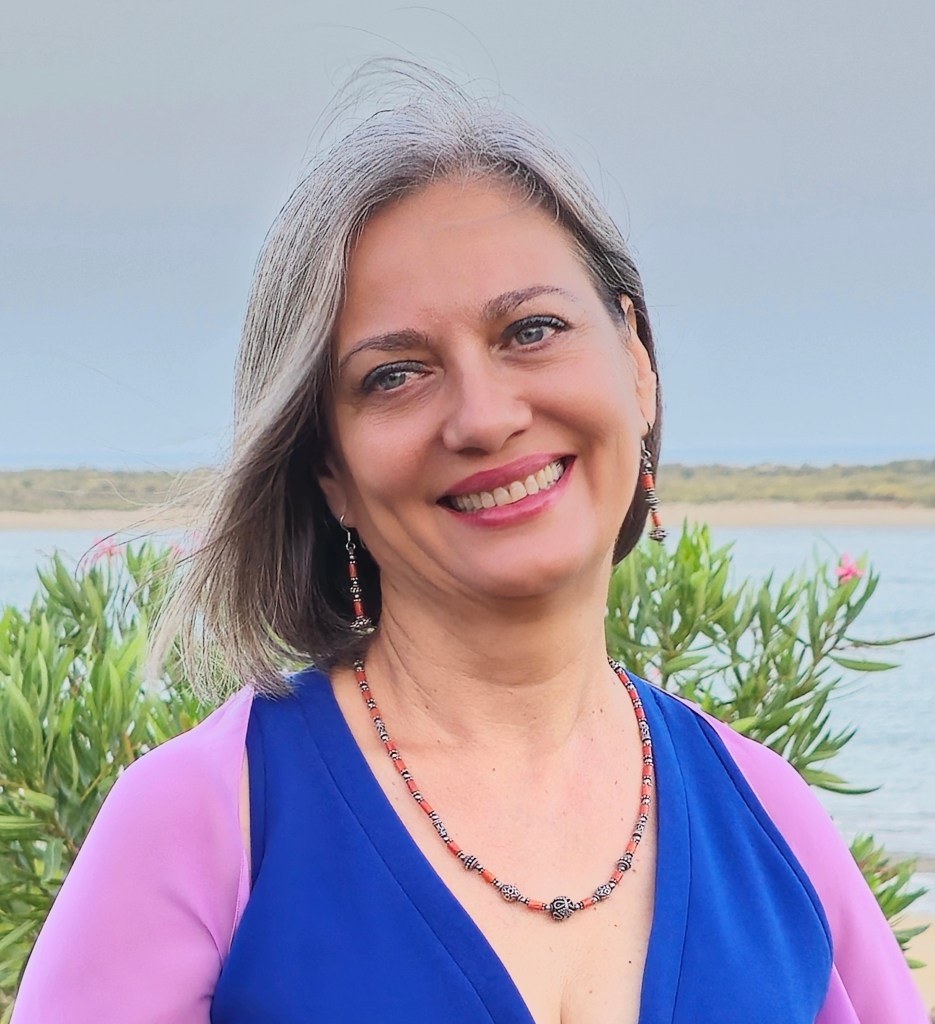
Ana Gallardo-Flores: PhD in Development and Citizenship: Human Rights, Equality, Education and Social Intervention, specialising in Resilience and Care (2018) from the Pablo de Olavide University, Master’s Degree in Gender and Equality, specialising in gender research (2012) from the Pablo de Olavide University, Diploma in Social Work (2011) and Diploma in Social Education (2011) from the Pablo de Olavide University. Mónica García-Renedo Award for research in Resilience from the University Jaume I of Castellón. Lecturer and researcher at the Department of Social Work and Social Services of the Pablo de Olavide University. Lines of research: resilience, care, gender and equality, functional diversity and suicide.
Mª Ángeles Quesada Cubo: Graduate in Social Work and Sociology, with a Master’s Degree in Gender and Equality and Best Academic Record Award. She is currently a teacher and pre-doctoral researcher in training in the Department of Social Work and Social Services at the Pablo de Olavide University. She is developing her doctoral thesis on inclusive housing and environments for people with intellectual disabilities.
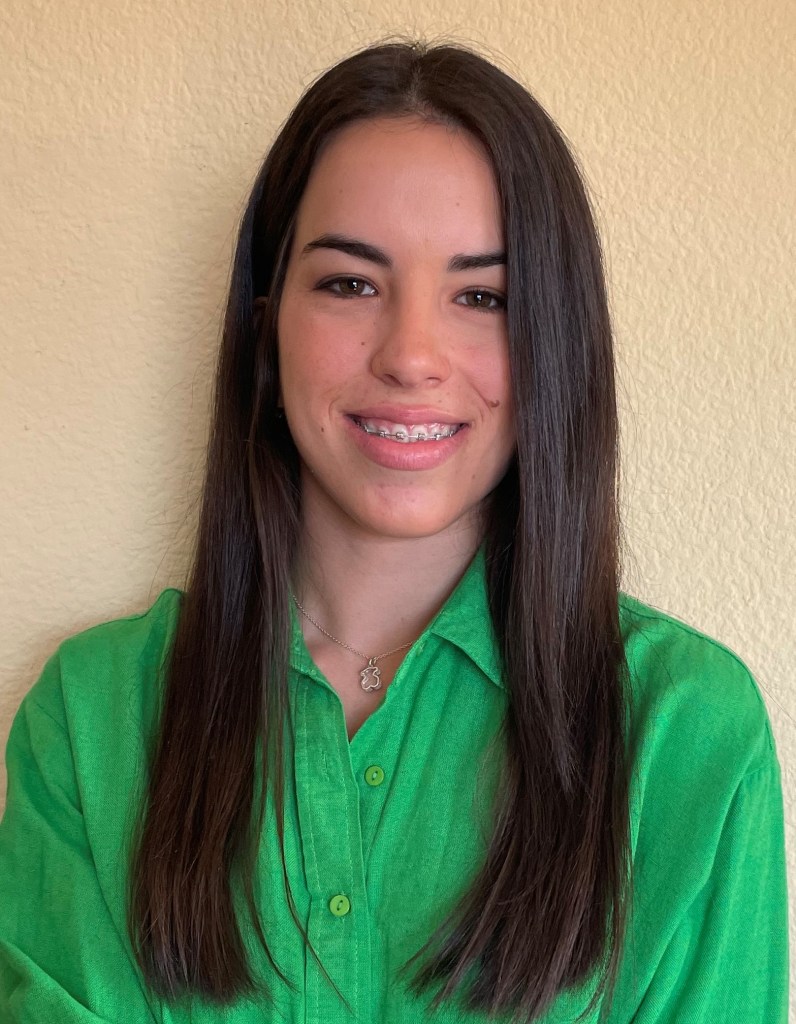

Higher Educational Institution “Podillia State University” has 484 employees (260 women, 224 men) + 8 mobilized, who take part in military operations, 212 of the total are scientific and pedagogical workers. Four people who have shown a desire to work and have experience working in projects and have relevant scientific works related to educational technologies intend to work in this project. This project is quite new not only for our region but also for the whole of Ukraine and considering the current
conditions that have developed on the territory of Ukraine during the russian military aggression. Scientific and pedagogical workers from different fields of scientific interests take part in the group, but they are united by one goal: to provide an opportunity for students with special educational needs (dyslexia) to get a full-fledged education in a number of specialties, the education of which is implemented at our university. They are specialists in economics, philology, and pedagogy.
Oksana Bialkovska: Doctor of Economics, Professor,
Vice Rector for Education, Research, Innovation and International Affairs of the Higher Educational Institution «Podillia State University», Ukraine.
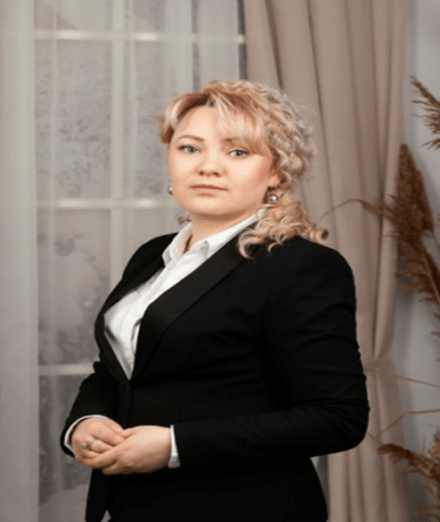
Anastasiia Polishchuk: PhD in Pedagogical Sciences, Head of the Department of International Relations, Assistant of the Foreign Languages Department, Higher Educational Institution «Podillia State University», Ukraine.
Lesia Zbaravska: PhD in Pedagogical Sciences, Associate Professor, Head of the Department of Information Technologies, Physical, Mathematical and Safety Disciplines, Higher Education Institution «Podillia State University», Ukraine.
Olha Chaikovska: PhD in Philological Sciences, Associate Professor, teacher of the Foreign Languages Department, Higher Education Institution «Podillia State University», Ukraine.
The National University of Life and Environmental Sciences of Ukraine is one
of the leading institutions of education, science and culture in Ukraine. Educational process and scientific research at the University are provided by more than 2,600 scientific and educational and pedagogical workers, including about 300 professors and doctors of sciences, more than 1,000 assistant professors and PhDs. According to the status of higher education institutions, the National University of Life and Environmental Sciences of Ukraine has IV accreditation level, and is a research institution, aimed at studying the contemporary science issues about life and environment; at usage, reproduction and balanced development of terrestrial and aquatic ecosystems bio-resources, introduction of new environmental agro- and biotechnologies, technologies of safety revival and soil fertility, energy-saving agricultural technologies, environmental and legal management in rural areas, monitoring and control of standards compliance, quality and safety of agricultural products, processed products and environment. The mission of the University is to: create, systematize, store and spread current scientific knowledge in order to improve the quality of people’s life.
Oleksandr Labenko: Vice-rector for International Affairs of the National University of Life and Environmental Sciences of Ukraine. Scientific interests: financial Mechanism of Environmental Management.
Daria Suprun: Doctor of Pedagogic Sciences, Professor, Professor of the Department of Social Work and Rehabilitation of the National University of Life and Environmental Sciences of Ukraine, Kyiv. Scientific interests: psychology of management, professional management, leadership, conflictology, professional training, modern methodology of scientific knowledge, inclusive education, personal growth training, implementation of the educational process in English. Main courses – Methodology and organization of scientific research in Social Work; Foreign language managerial communication in Social Sphere.
Iryna Sopivnyk: Doctor of Pedagogic Sciences, Professor, Head of the Department of Social Work and Rehabilitation of the National University of Life and Environmental Sciences of Ukraine, Kyiv. Have over 20 years in teaching and research in pedagogy, social work, and social-psychological rehabilitation. Main courses – Research Workshop; Social-Psychological Work with Military Personnel and Their Families; Social Work with Families, Children, and Youth.
Inna Savytska: Dean of Faculty of Humanities and Pedagogy, Ph.d., Associate of Professor of the Department of Philosophy and International communication of the National University of Life and Environmental Sciences of Ukraine, Kyiv. Scientific interests: philosophical anthropology, philosophy of education, problems of national identity.
Taras Ievsiukov: he is the Dean of the Faculty of Land Management at the National University of Life and Environmental Sciences of Ukraine (NUBiP). He holds a Doctorate in Economics and has over two decades of expertise in land administration, land management, spatial planning, and environmental conservation. His research and practical work focus on sustainable land use and property relations, contributing to the development of legislation and land policies in Ukraine. His scientific achievements are widely recognized, including the development of ecological and economic frameworks for managing especially valuable lands in Ukraine. Taras has worked as a consultant for international organizations, including the World Bank, USAID, and the German-Ukrainian Agricultural Policy Dialogue (APD), enhancing land valuation and conservation practices.
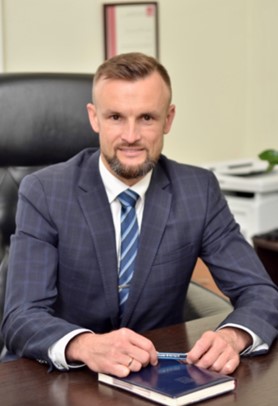
Iryna Demchenko: Doctor of Pedagogic Sciences, Professor of the Department of Social Work and Rehabilitation of the National University of Life and Environmental Sciences of Ukraine, Kyiv. Field of research: inclusive education; social work; social-psychological rehabilitation; training of future professionals in the pedagogical and social-psychological sphere. Main courses: Basics of Counseling, Inclusive Pedagogy, Social Gerontology.
Viktoria Budehai: Graduate student of the Department of Pedagogy, Assistant of the Department of Social Work and Rehabilitation of the National University of Life and Environmental Sciences of Ukraine, Kyiv. Field of research: Forming inclusive culture among higher education students, inclusion, training of social workers. Main course: Fundamentals of counseling.


FORMODENA designs and implements training activities and services with the aim of promoting employment and the growth of professional skills of people, organizations and the Public Administration. The areas of intervention of ForModena are: welfare policies: training courses for operators of social assistance structures, for people with disabilities, for new vulnerabilities and vulnerable groups on the labor market; initiatives and projects to accompany local welfare planning with particular attention to the professional development of women and the acquisition of STEM and STEAM skills.
training and services for transitions: collaboration with the school system in relation to the pathways for fulfilling the obligation, activation of training courses for training / work connection, management of alternation projects in high school, realization of services for work transitions of adults, occupied and unoccupied; skills for the production chains / districts to develop and consolidate distinctive know-how and competitiveness through training for work and on the job. ForModena provides specialized training expertise, a crucial resource of the project. This expertise encompasses various training formats, including face-to-face, online, and digital methods outlined in the project guidelines. One of the main objectives is to train and empower coaches to become influential educators, given their central role in the project’s communication activities and group initiatives.
Francesca Malagoli (manager): general manager of ForModena, she has a long-standing expertise in developing communications strategies, coupled with EU Projects competence as dissemination and quality monitoring partners. Five years of experience as a project manager in a large refugee camp, expert in monitoring and project governance. She is also a national expert on gender equality, especially in the workplace sector.


Giovanni Gobbi (project manager): Erasmus+ project coordinator on behalf of UNIMORE. Coordinator of transnational activities in several European Projects (Horizon, Equal, Leonardo, Grundtvig, Erasmus+). Designer for various organizations in Italy (Lombardy, Emilia Romagna, Siciliy, Piedmont, Abruzzo, Veneto, European Union). Lecturer: in several ESF courses in the following subjects: marketing, sales techniques, labor legislation in social enterprises. Speaker at various national and international conferences with issues relating to the social and professional inclusion of disabled people.
Alice Cavazzoli: collaborator of ForModena in the field of design and implementation of European projects.


SOS DISLESSIA is a service company that promotes clinical, rehabilitative and educational activities for children and adults with developmental dyslexia. Psychologists specialized in neuropsychology operate in each center under the direct supervision of Prof. Stella. Each of them has completed a clinical training period of at least 1 year under the guidance of Prof. Stella, who constantly supervises their activity.
The SOS Dyslexia centers are spread throughout the national territory and respond to the needs of families and schools to have DSA expert representatives who can take care of all the needs of children and young people with competence, professionalism and humanity. , who, for various reasons, present difficulties and suffering in school, in order to guarantee their right to Health, Study, Quality of Life and Knowledge.
The dissemination of scientific knowledge and good practices relating to identification, diagnosis, re-education and specialist after-school care for DSA is the basis of the SOS Dyslexia Mission because only through such diffusion will the School, Healthcare and Family be able to intervene adequately and finally alleviate the pain, hardships and frustrations that these children, these young people and their families experience every day.
Giacomo Stella: full professor of Clinical Psychology at the Department of Education and Human Sciences at the University of Modena and Reggio Emilia, founder of the Italian Dyslexia Association, he is a member of the technical-scientific committee for the implementation of law 170 and of the promoting committee for the Update and Review Panel of the Consensus Conference on DSA. Scientific Director of the Research Institute on Developmental Dyslexia (I.RI.DE). Director of the master’s degree in Neuropsychology of DSA created by the Universities of Modena and Reggio Emilia, Urbino and the Republic of San Marino, due to his commitment and his scientific contribution he represents, on the national and European scene, one of the leading experts on issues related to Dyslexia and Neurodevelopmental Disorders.
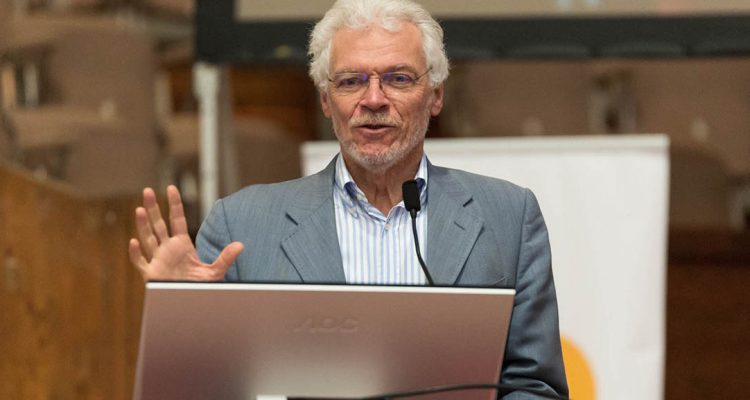
ECECE is a non-for-profit association established in accordance with Austrian national law through a founding team of four long-serving international experts from Austria, Italy, and the UK. ECECE set up its headquarters in the southern Austrian federal province of Carinthia to logistically optimise its initial contract work in Austria and Italy. The founding team has many years of experience in; entrepreneurial training and coaching, project coordination and management, financial controlling and management and video communication provision, academic and entrepreneurial education and an extensive understanding of EU legislation. Over the years, the founding team has built up a network of international experts with varying competences in other European countries who are now part of the ECECE team. Within the first month of its founding, ECECE secured its initial contract to develop an entrepreneurial education concept for secondary technical schools in northern Italy. Since that time, many other contracts have followed.
Riccardo Cariani: he is mainly a business consultant working with public and private organisations for the development of participatory processes, EU project planning and management, business process analysis and re-engineering / needs analysis and design of training projects. Thanks to his recent experiences on design thinking approach (mainly used as applied methodology for the definition of new business opportunities) he also deals with the contents and process sides of the implementation of the project results.
Alessandro Zeppelli: he is an attorney at law mainly dealing with commercial law and internationalization. Since a decade he is working for several public and private organizations in the field of cooperation for education and training supporting the evolution of legal environments for the various proposed solutions and also dealing with framework conditions for outputs dissemination strategies.
 INSIGHT: Inclusive teachiNg methodS in hIGHer educaTion